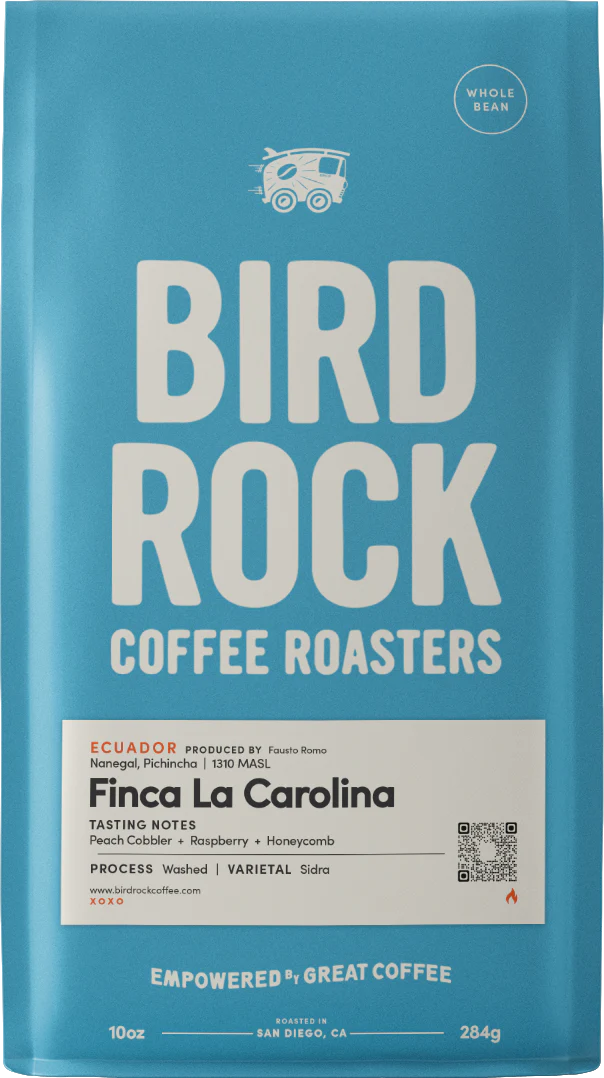
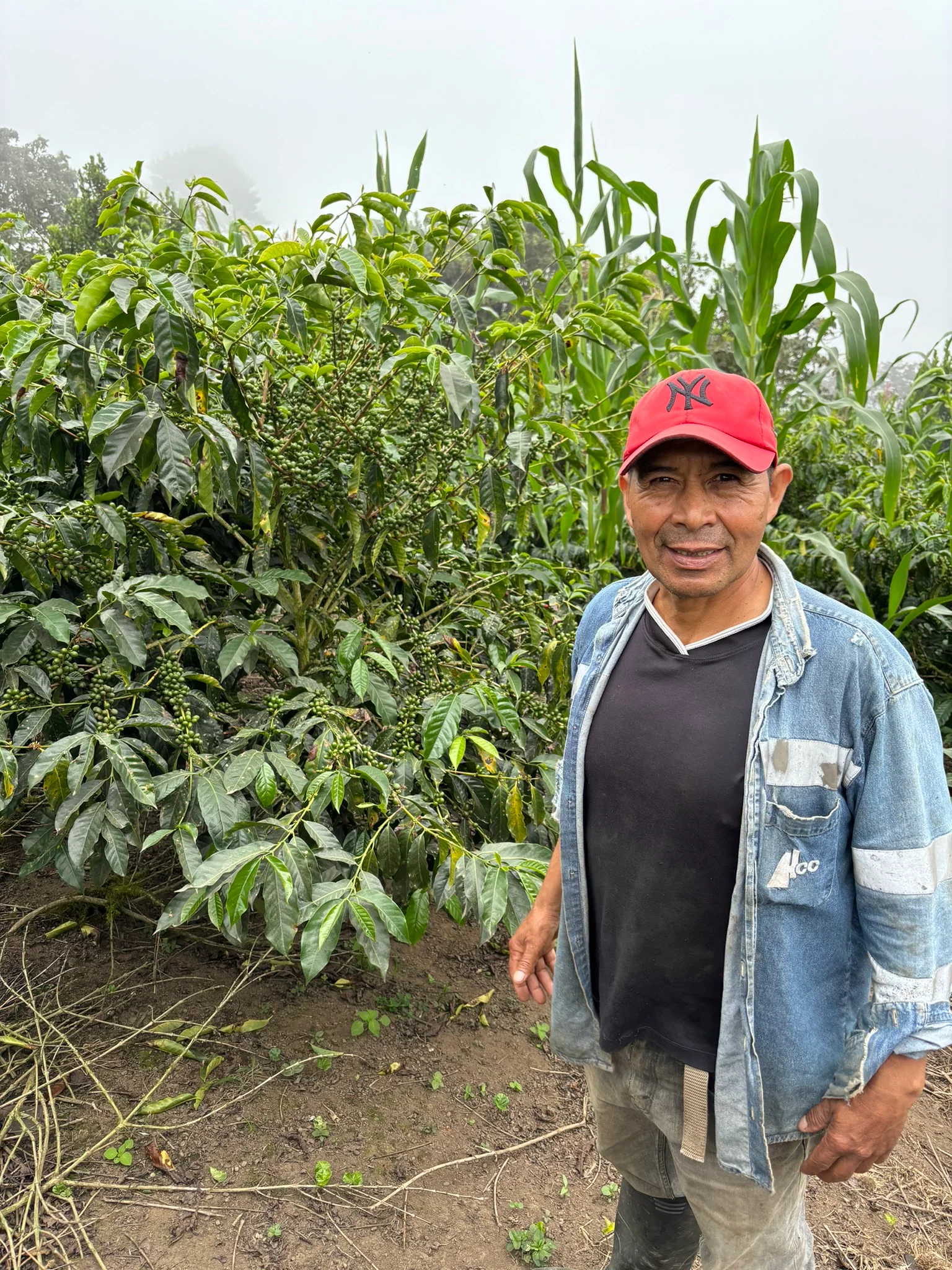
Finca La Carolina
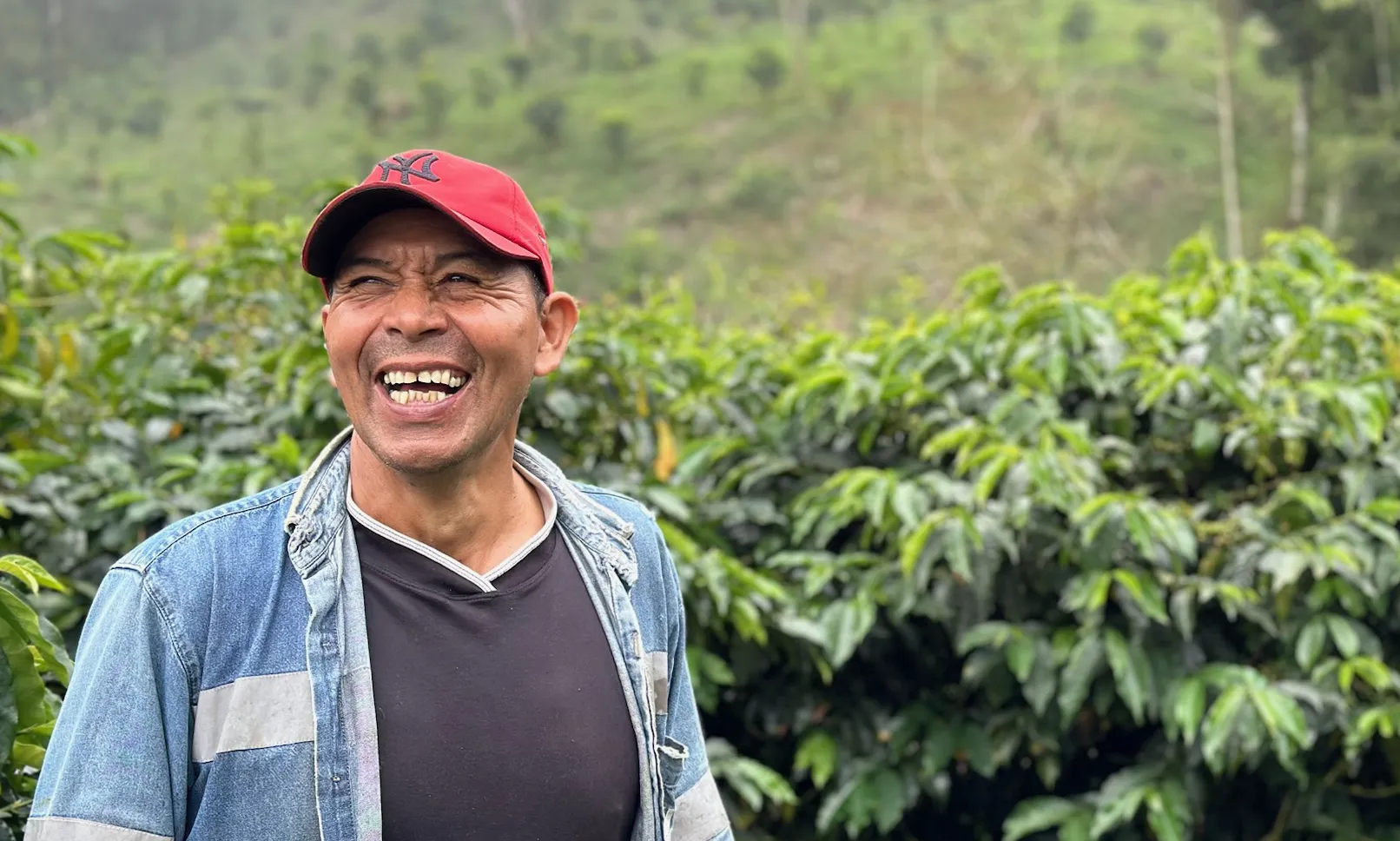
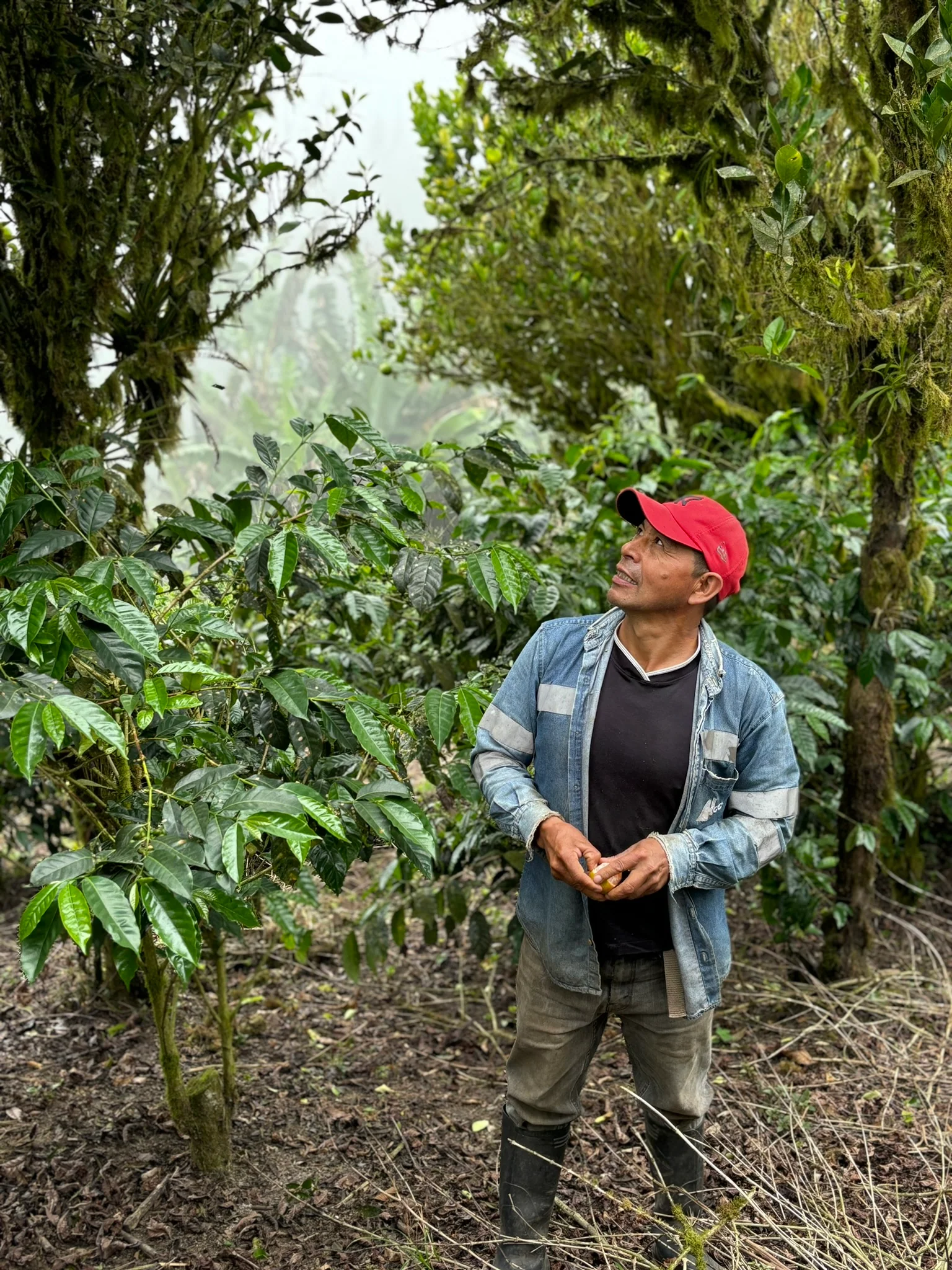
Fausto purchased land in 2000 which was at the time planted with beans and sugar cane. He started Finca Carolina ( named after his daughter ) with dairy cows, but the price bottomed out in the 2000s. His uncle suggested that he try coffee instead.
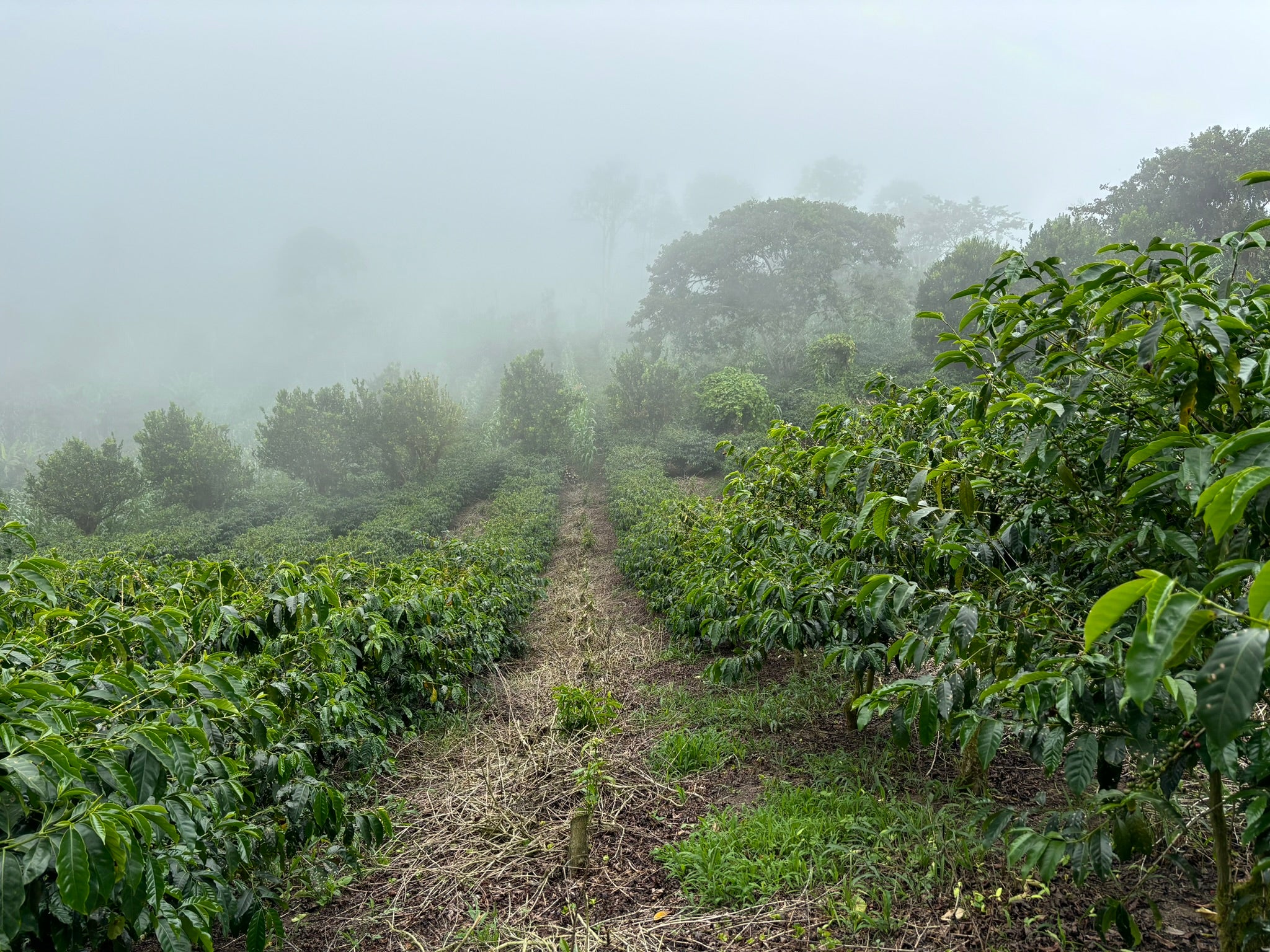
At first, Fausto didn’t like the results. About ten years ago he turned over most of the farm to Sidra Coffee Variety because of the higher cup quality and price neighbors were receiving for it. He now has five hectares planted almost entirely with Sidra, with a small amount of Gesha making up the rest.
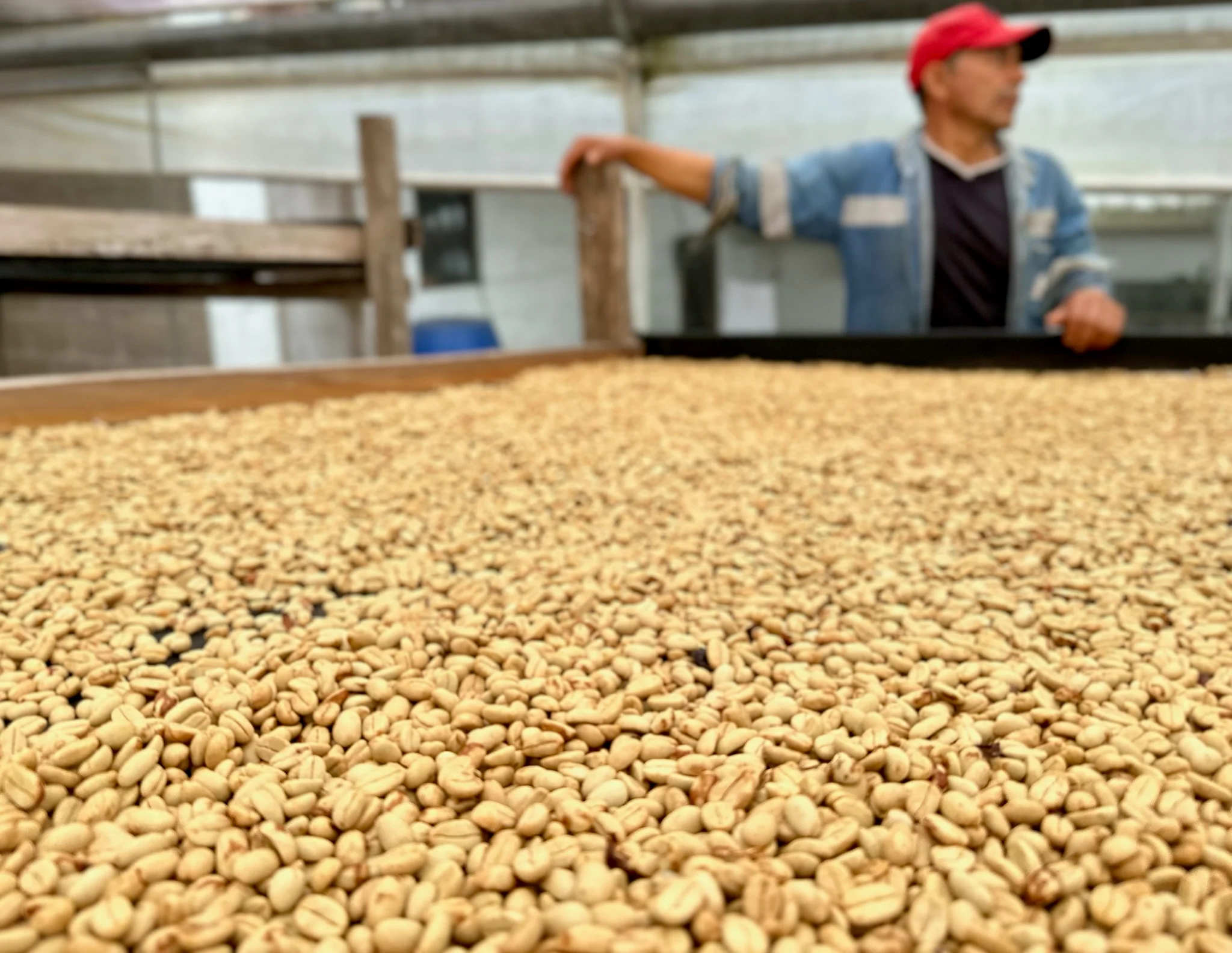
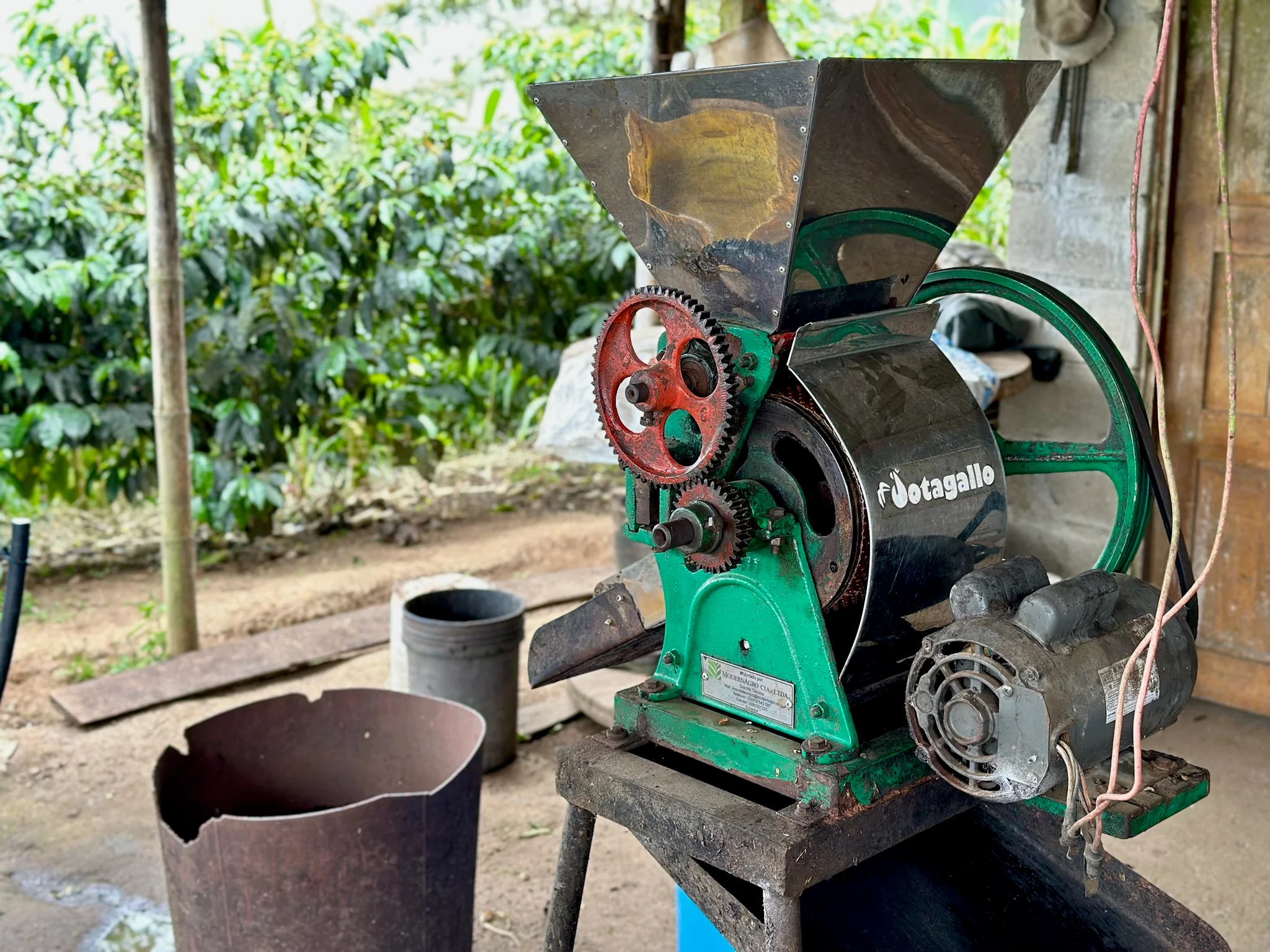
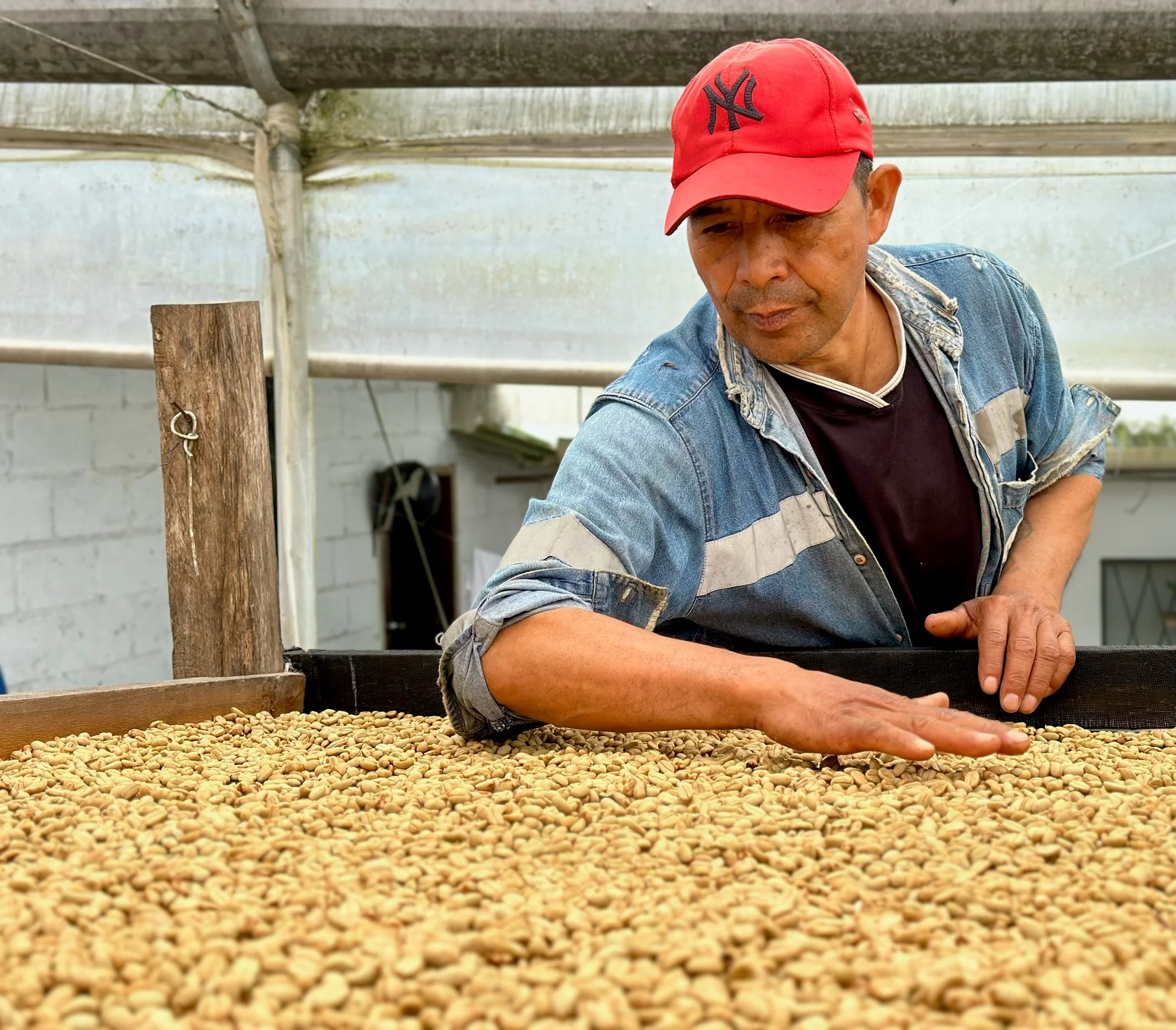
The washed Sidra starts with 48 hours of aerobic fermentation in barrels. It is then depulped and given another 24 hours of aerobic fermentation before being fully washed. Because the area around Nanegal is humid, cool, and cloudy, the drying process can take up to 30 days on raised beds.
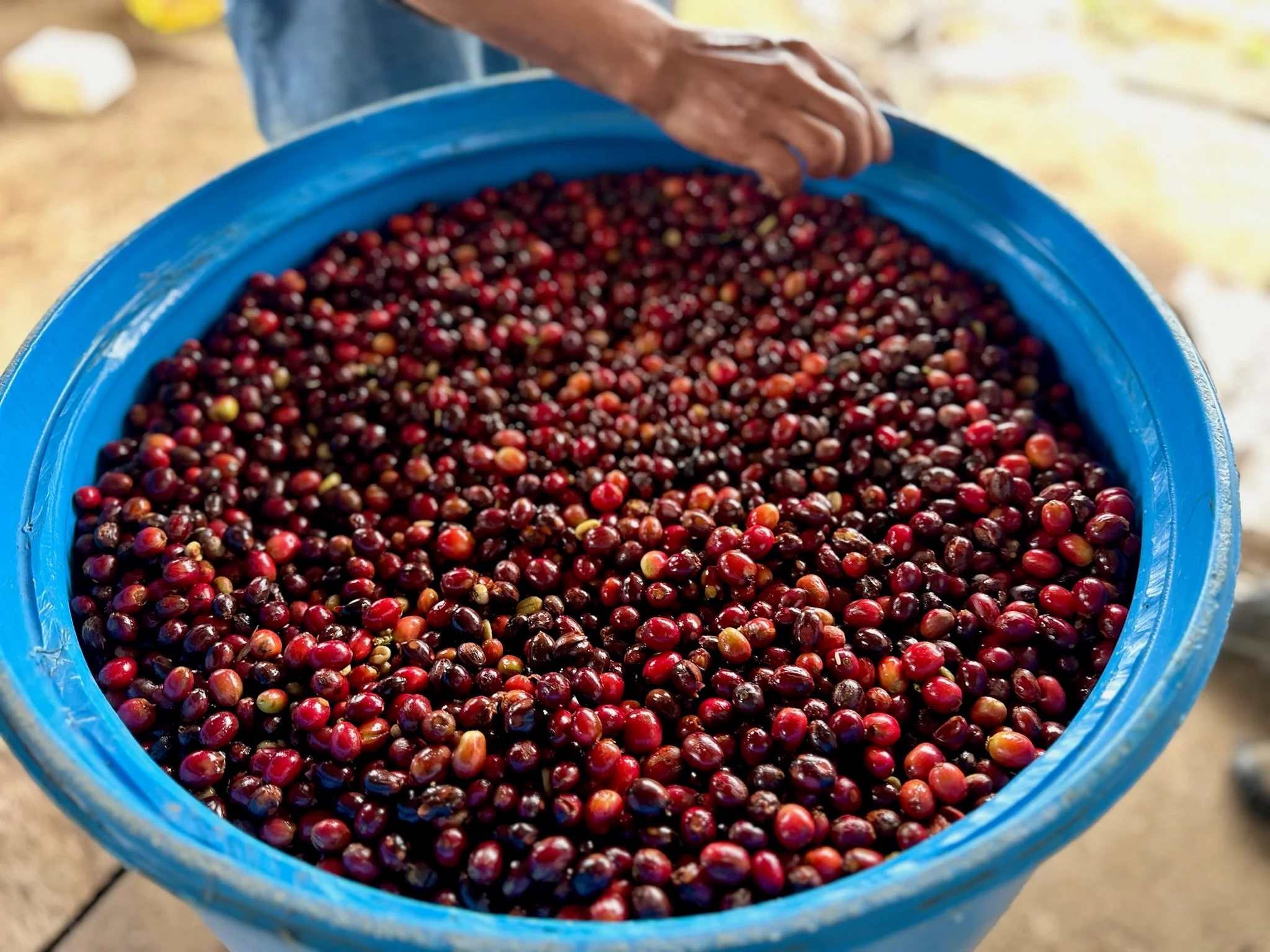
At 1,300-1,400 masl, the ojo de gallo fungus is a bigger issue than roya (Coffee Leaf Rust). Harvest in the region is drawn out from August to December. Fausto only hires women to pick because they have greater skill in identifying ripe cherries. He typically has about six pickers throughout the harvest season with a maximum of nearly 20 during the peak.
Fausto is a dedicated producer, deeply committed to understanding coffee cultivation and processing to continually enhance the quality of his product. With the help of PECA, he has further refined his methods and introduced additional processing techniques.
We visited Fausto Romo and his wife, Nancy, at their farm Finca Carolina in August 2024. It's located across the Rio Alambi north of Nanegal in the Yunguilla subregion of Pichincha, where signs for La Perla start to appear. La Perla is famous for being the site of Nestle’s experimental coffee plantation in Ecuador where the Bourbon Sidra varietal is believed to have originated. (It's also where Typica Mejorado is thought to have originated.)
About Ecuador
Located in South America, with a northern border of Colombia and a southern border of Peru, Ecuador is located directly on top of the Equator line. This puts half of the country in the northern hemisphere and the other half in the southern hemisphere.
Brief History
Coffee was first introduced to Ecuador early in the 19th century and rapidly became a primary source of income for small landholders. Ecuadorian producers have produced both Arabica, known for its sweet and soft flavors (0.8 to 1.4% caffeine content) and Robusta known for its stronger and harsh flavors and higher caffeine content (1.77 to 3.5 % caffeine content). The Arabica historically was exported to neighboring countries of Colombia and Peru, while the Robusta was, and still is, used for the production of instant coffee.
A dramatic decline in Ecuador’s coffee production began in the late 1980s with coffee often going unharvested because of low prices on the world market and drought conditions caused by the climate phenomenon “El Niño.” Combined with a lack of an effective coffee infrastructure, and poor production techniques coffee was failing in Ecuador and many producers stopped producing coffee.
By the mid-2000’s, the Specialty Coffee movement started to grow in neighboring countries of Colombia and Peru. And with the growing demand worldwide for Specialty Coffee, some entrepreneurial spirited farmers found the inspiration to invest in coffee once again. They planted single, unique varietals, in high altitude regions like the mountains of Pichincha in the north and the biodiverse province of Loja in the south. This time, with a focus on improved growing, harvesting and processing techniques and an improved infrastructure, there were high hopes for success.
Original: $32.00
-65%$32.00
$11.20Product Information
Product Information
Shipping & Returns
Shipping & Returns
Description
Fausto purchased land in 2000 which was at the time planted with beans and sugar cane. He started Finca Carolina ( named after his daughter ) with dairy cows, but the price bottomed out in the 2000s. His uncle suggested that he try coffee instead.
At first, Fausto didn’t like the results. About ten years ago he turned over most of the farm to Sidra Coffee Variety because of the higher cup quality and price neighbors were receiving for it. He now has five hectares planted almost entirely with Sidra, with a small amount of Gesha making up the rest.
The washed Sidra starts with 48 hours of aerobic fermentation in barrels. It is then depulped and given another 24 hours of aerobic fermentation before being fully washed. Because the area around Nanegal is humid, cool, and cloudy, the drying process can take up to 30 days on raised beds.
At 1,300-1,400 masl, the ojo de gallo fungus is a bigger issue than roya (Coffee Leaf Rust). Harvest in the region is drawn out from August to December. Fausto only hires women to pick because they have greater skill in identifying ripe cherries. He typically has about six pickers throughout the harvest season with a maximum of nearly 20 during the peak.
Fausto is a dedicated producer, deeply committed to understanding coffee cultivation and processing to continually enhance the quality of his product. With the help of PECA, he has further refined his methods and introduced additional processing techniques.
We visited Fausto Romo and his wife, Nancy, at their farm Finca Carolina in August 2024. It's located across the Rio Alambi north of Nanegal in the Yunguilla subregion of Pichincha, where signs for La Perla start to appear. La Perla is famous for being the site of Nestle’s experimental coffee plantation in Ecuador where the Bourbon Sidra varietal is believed to have originated. (It's also where Typica Mejorado is thought to have originated.)
About Ecuador
Located in South America, with a northern border of Colombia and a southern border of Peru, Ecuador is located directly on top of the Equator line. This puts half of the country in the northern hemisphere and the other half in the southern hemisphere.
Brief History
Coffee was first introduced to Ecuador early in the 19th century and rapidly became a primary source of income for small landholders. Ecuadorian producers have produced both Arabica, known for its sweet and soft flavors (0.8 to 1.4% caffeine content) and Robusta known for its stronger and harsh flavors and higher caffeine content (1.77 to 3.5 % caffeine content). The Arabica historically was exported to neighboring countries of Colombia and Peru, while the Robusta was, and still is, used for the production of instant coffee.
A dramatic decline in Ecuador’s coffee production began in the late 1980s with coffee often going unharvested because of low prices on the world market and drought conditions caused by the climate phenomenon “El Niño.” Combined with a lack of an effective coffee infrastructure, and poor production techniques coffee was failing in Ecuador and many producers stopped producing coffee.
By the mid-2000’s, the Specialty Coffee movement started to grow in neighboring countries of Colombia and Peru. And with the growing demand worldwide for Specialty Coffee, some entrepreneurial spirited farmers found the inspiration to invest in coffee once again. They planted single, unique varietals, in high altitude regions like the mountains of Pichincha in the north and the biodiverse province of Loja in the south. This time, with a focus on improved growing, harvesting and processing techniques and an improved infrastructure, there were high hopes for success.